Buy rjz.eu ?
We are moving the project
rjz.eu .
Are you interested in purchasing the domain
rjz.eu ?
domain@kv-gmbh.de · 0541-91531010
Buy rjz.eu ?
What is the cross-section of the cables?
The cross-section of the cables refers to the shape and size of the cable when viewed perpendicular to its length. It is typically circular for most electrical cables, but can also be rectangular or other shapes for specialized applications. The cross-section is important as it determines the amount of current the cable can carry and its overall durability. It is usually specified in terms of the diameter or area of the cable. **
How is the cross-section of cables determined?
The cross-section of cables is determined based on the amount of current the cable needs to carry and the voltage it needs to withstand. The cross-section is calculated using the formula I = (k * S * n) / L, where I is the current, k is the specific resistance of the material, S is the cross-sectional area, n is the number of conductors, and L is the length of the cable. By rearranging the formula, the cross-sectional area (S) can be calculated as S = (I * L) / (k * n). This calculation helps determine the appropriate size of the cable to ensure it can safely carry the required current without overheating. **


Similar search terms for Cross-section
Top-Angebote
Products related to Cross-section:
-
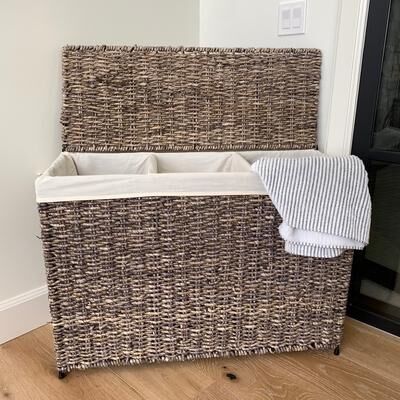
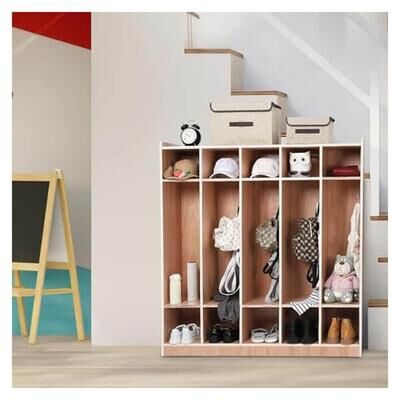
Whitmor 9-Section Cube Organizer-EspressoFeatures 9 cubes with 3 shelves for organization and display of a variety of household items Includes 5 back panels for added stability Units designed to be stackable; wall mount accessory included Inside Cube Dimensions: 11.2 L x 11.2 W x 11.7 H…81,69 $*Shipping: 0,00 $Secure redirect to the provider



-
What conductor cross-section is needed for underground cables?
The conductor cross-section needed for underground cables depends on various factors such as the amount of current the cable will carry, the length of the cable, and the voltage level. Generally, larger conductor cross-sections are required for underground cables to minimize power losses and ensure efficient transmission of electricity. It is important to consult with electrical engineers and follow local regulations and standards to determine the appropriate conductor size for underground cable installations. **
-
Is it a cross-section?
No, it is not a cross-section. **
-
How can cables be connected to increase the cross-section?
Cables can be connected in parallel to increase the cross-section. By connecting multiple cables side by side, the total cross-sectional area is increased, allowing for more current to flow through the combined cables. This method is commonly used in electrical wiring to handle higher current loads and reduce voltage drop over long distances. It is important to ensure that the cables are properly connected and secured to maintain a safe and reliable electrical connection. **
-
What cross-section of conductor is needed for underground cables?
For underground cables, a circular cross-section of conductor is typically used. This shape helps to evenly distribute the electrical current throughout the cable and reduces the risk of overheating. Additionally, the circular shape allows for easier installation and maintenance of the underground cables. Overall, a circular cross-section conductor is the most common and efficient choice for underground cable systems. **

What cable cross-section is suitable for 500 watt speakers?
For 500 watt speakers, it is recommended to use a cable with a cross-section of at least 16 gauge (AWG) for short distances and 14 gauge for longer distances. This will ensure that the cable can handle the power and deliver the audio signal effectively without any loss or distortion. Using a cable with a larger cross-section than the minimum requirement can also provide additional safety and performance margin. **
What is the meaning of cross-section and longitudinal section?
A cross-section is a two-dimensional representation of a three-dimensional object that is created by cutting the object perpendicular to its longest axis. It provides a view of the internal structure of the object. On the other hand, a longitudinal section is a two-dimensional representation of a three-dimensional object that is created by cutting the object parallel to its longest axis. It provides a view of the internal structure of the object along its length. Both types of sections are commonly used in fields such as anatomy, engineering, and geology to study the internal structure of objects. **
Top-Angebote
Products related to Cross-section:
-
Whitmor 9-Section Cube Organizer-EspressoFeatures 9 cubes with 3 shelves for organization and display of a variety of household items Includes 5 back panels for added stability Units designed to be stackable; wall mount accessory included Inside Cube Dimensions: 11.2 L x 11.2 W x 11.7 H…81,69 $*Shipping: 0,00 $Secure redirect to the provider
-
What is the cross-section of the cables?
The cross-section of the cables refers to the shape and size of the cable when viewed perpendicular to its length. It is typically circular for most electrical cables, but can also be rectangular or other shapes for specialized applications. The cross-section is important as it determines the amount of current the cable can carry and its overall durability. It is usually specified in terms of the diameter or area of the cable. **
-
How is the cross-section of cables determined?
The cross-section of cables is determined based on the amount of current the cable needs to carry and the voltage it needs to withstand. The cross-section is calculated using the formula I = (k * S * n) / L, where I is the current, k is the specific resistance of the material, S is the cross-sectional area, n is the number of conductors, and L is the length of the cable. By rearranging the formula, the cross-sectional area (S) can be calculated as S = (I * L) / (k * n). This calculation helps determine the appropriate size of the cable to ensure it can safely carry the required current without overheating. **
-
What conductor cross-section is needed for underground cables?
The conductor cross-section needed for underground cables depends on various factors such as the amount of current the cable will carry, the length of the cable, and the voltage level. Generally, larger conductor cross-sections are required for underground cables to minimize power losses and ensure efficient transmission of electricity. It is important to consult with electrical engineers and follow local regulations and standards to determine the appropriate conductor size for underground cable installations. **
-
Is it a cross-section?
No, it is not a cross-section. **
Similar search terms for Cross-section
-
Elama 2 Section 15 Liter/ 4 Gallon Each Section Trash and Recycling Step Bin in Matte SilverSort your trash, recycling, and compost easily with this 2 section rectangular trash bin in matte silver by Elama. This two compartment trash bin is perfect for sorting and separating trash both at home or at the office.93,95 $*Shipping: 0,00 $Secure redirect to the provider
-
How can cables be connected to increase the cross-section?
Cables can be connected in parallel to increase the cross-section. By connecting multiple cables side by side, the total cross-sectional area is increased, allowing for more current to flow through the combined cables. This method is commonly used in electrical wiring to handle higher current loads and reduce voltage drop over long distances. It is important to ensure that the cables are properly connected and secured to maintain a safe and reliable electrical connection. **
-
What cross-section of conductor is needed for underground cables?
For underground cables, a circular cross-section of conductor is typically used. This shape helps to evenly distribute the electrical current throughout the cable and reduces the risk of overheating. Additionally, the circular shape allows for easier installation and maintenance of the underground cables. Overall, a circular cross-section conductor is the most common and efficient choice for underground cable systems. **
-
What cable cross-section is suitable for 500 watt speakers?
For 500 watt speakers, it is recommended to use a cable with a cross-section of at least 16 gauge (AWG) for short distances and 14 gauge for longer distances. This will ensure that the cable can handle the power and deliver the audio signal effectively without any loss or distortion. Using a cable with a larger cross-section than the minimum requirement can also provide additional safety and performance margin. **
-
What is the meaning of cross-section and longitudinal section?
A cross-section is a two-dimensional representation of a three-dimensional object that is created by cutting the object perpendicular to its longest axis. It provides a view of the internal structure of the object. On the other hand, a longitudinal section is a two-dimensional representation of a three-dimensional object that is created by cutting the object parallel to its longest axis. It provides a view of the internal structure of the object along its length. Both types of sections are commonly used in fields such as anatomy, engineering, and geology to study the internal structure of objects. **
* All prices are inclusive of VAT and, if applicable, plus shipping costs. The offer information is based on the details provided by the respective shop and is updated through automated processes. Real-time updates do not occur, so deviations can occur in individual cases. ** Note: Parts of this content were created by AI.